
First trial cut on Tormach 440 using Fusion 360 CAM

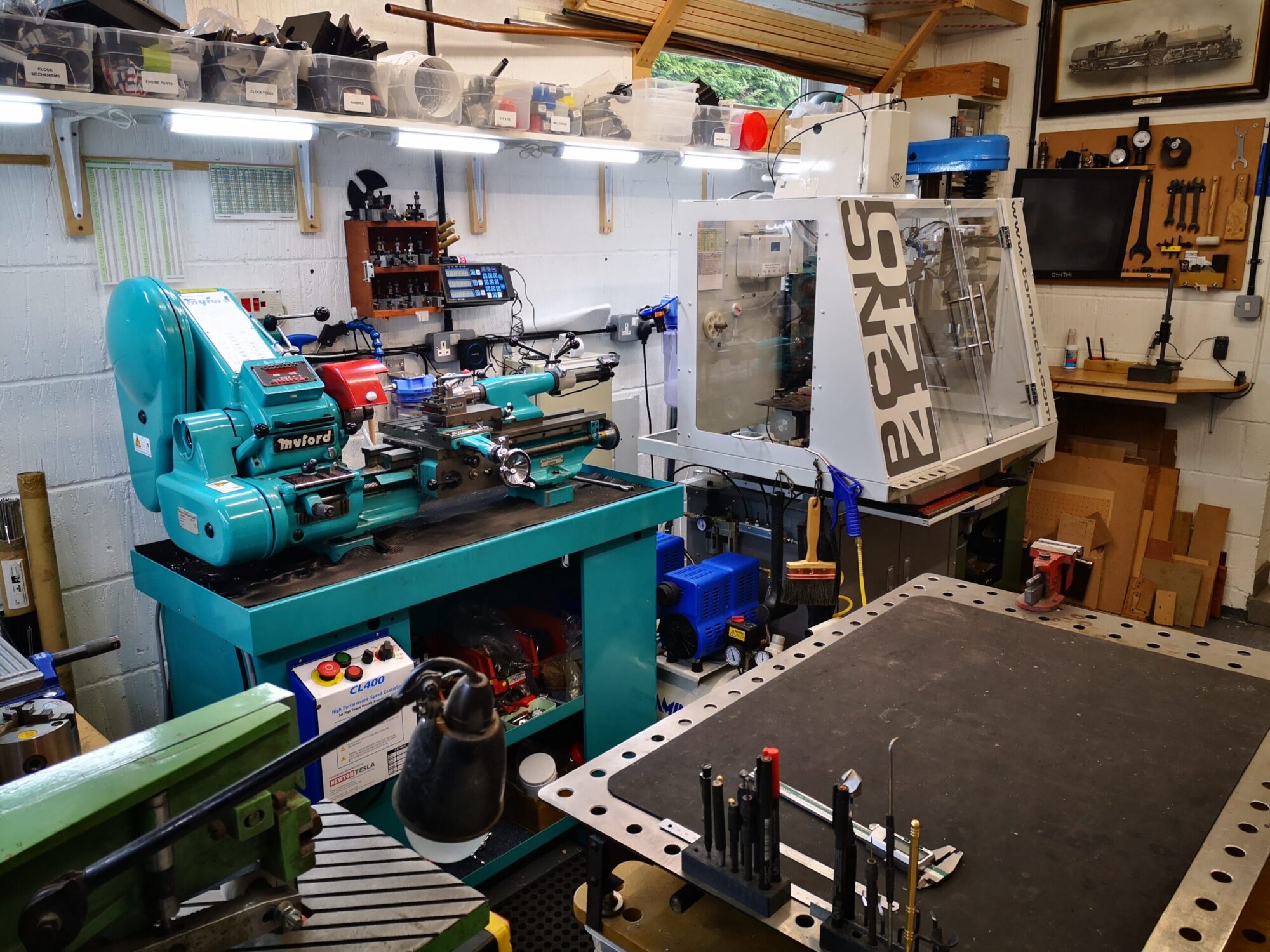
After a lot of research and testing I managed to run a small test piece in MDF using Fusion 360 CAM imported into the Tormach 440.   Hand hovered over the emergency stop button but all went well.  Getting there slowly.

There are so many boxes in the CAM settings for each function that is a worry what needs ticking where.   Lars Christensen‘s Part 4 video on CAM helped no end.  The other one to watch that was useful was the Library tutorial.

Similar or connected posts : –

Battery replacement module for Chinese vernier scales

When I created the external 1.5V PSU modules for use with my DRO350 it struck me at the time it might be possible to create the same PSU in a dummy battery to fit directly into the scale battery socket.

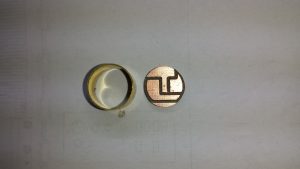
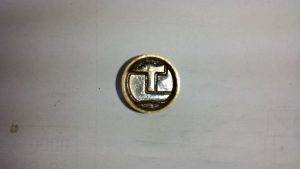
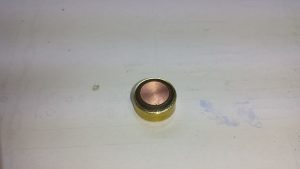
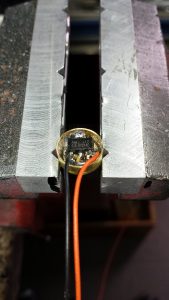
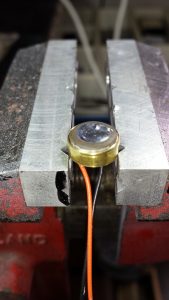
I used the same AMS1117 regulator chip and decoupling capacitors mounted on a small pcb inside a short piece of K&S thin wall brass tubing.  The pcb was milled on the Tormach 440 with hand written G Code and using a dental burr as the engraver.  Once the pcb was soldered into the end of the tube I turned back the tube to leave the pcb proud of the tube to match the normal battery profile and spring contact in the scale battery socket.

It was a bit tight to put together but it works !   I am debating a full write up so look back in the future.

Similar or connected posts : –

Leaking compressed air components and Loctite 577

The arrival of the Tormach PCNC440 demanded a review of my compressed air infrastructure.   I have Bambi 24V pot belly compressor which previously only fed a dust off blower.   In addition to this, the compressor now has to feed the new Tormach power drawbar and the Fog Buster coolant system.

To aid distribution I sourced locally a 4 port manifold with an in and pass through in line.   This gave me a couple of spare ports for future expansion.

The Tormach PCNC440 arrived with US style push and lock black tubing and fittings with ubiquitous  1/4″ BSP threads.   Thank goodness something is common.   In total I had something like 15 threads to seal and PTFE tape did not do the job.   Soapy water revealed a bubble factory.

A quick scan on the web and it seemed that Loctite 577 was recommended.  RS had it in stock and it was a revelation to seal the threads.  You just squeeze a thin ring of 577 around the thread and screw it home.  Job done ….. but maybe they won’t ever come apart again …. well that’s a problem for another day.

Similar or connected posts : –

Verified by ExactMetrics